Solids and Voids
TBD
For one of my design classes, I am fabricating a beautiful birch credenza with aluminum inlay. My professor tells me it can go in my apartment when I’m done, and I don’t have the heart to tell him I’ve been homeless for three months. I go to school, I go to work. I make small talk in the elevator, turn in my assignments, and go out to drinks with my friends. When the night dies down, everyone else makes their way home, and I pretend to, too.
In Brian Goldstone’s 2025 book There Is No Place for Us: Working and Homeless in America, he notes the results of a 1986 poll conducted by CBS News and The New York Times, in which random participants were asked what they believed caused homelessness. 32% of respondents said it was caused by alcohol, drugs, or psychological problems; 20% said an unwillingness to work; 19% cited bad luck; 24% cited a combination of each of these; and 5% had no opinion. Nobody mentioned housing.1 Not much has changed in the intervening forty years; the general public still operates under the regressive delusion that homeless people exist as a separate class of inferior people. In reality, the majority of Americans are only one missed paycheck away from experiencinghomelessness, and 3.6 million evictions are filed in the United States every year.
A year ago, I was on solid ground. I had an enviable one-bedroom on the waterfront in Williamsburg. Things destabilized in the span of a few short months. After separating from my partner of five years, the building I lived in was demolished, and I was forced to flee a provisional living arrangement after an episode of domestic violence. Now I live on a futon in a friend’s living room, or a hostel on Bowery, or an air mattress in a closet, depending on the day. I shower at the Y, do my hair and makeup in the cloistered 7th-floor bathroom at school, and rely on the hospitality and generosity of my friends at every turn. Despite all attempts to regain my footing, I am ultimately fighting against systemic deprivation that is designed to prevent upward mobility.
Rent in New York City is 149% higher than the national average, and most landlords are looking for tenants whose gross annual income is 40x the monthly rent. Working fulltime while managing a fifteen to nineteen credit-hour course load is by no means impossible, but mentally andtaxing even if you can find a well-paying job willing to take you. Where does that leave a student in need? The dormitories are reserved for freshmen, resident advisors, and a few lucky lottery winners, and even then you’ll have to find another place in the offseason. You go through the usual channels of Zillow, StreetEasy, RentHop, Listings Project, Leasebreak, and Craigslist. No luck. Maybe you think you’ll try your luck with a Section 8 voucher, but in 2005 the Department of Housing and Urban Development ruled that students in higher education were ineligible. This sought to prevent affordable housing from being used as ad-hoc dormitories, but it means you can rule out government assistance. Next is the shelter. Anyone who justifies that kind of place as a roof and four walls in the winter has no idea how bad it can get. In a study of 394 homeless adults, 20.6% of participants reported victimization since moving to the shelter, and 55.7% of participants reported witnessing violence over the past month. Regardless of conditions, these places need you for a bed check at 6 pm sharp, and you can’t leave after that. No time for night class, late shifts, or studio work. College always comes first. It’s supposed to be your way out of this. That’s what you remind yourself when things get really bad: it’s a privilege to be in college. There are two options left now, couch surfing and hostels. You can throw your stuff in four IKEA bags and bounce between places until something works out. Something has to work out. And that’s how you end up living your life.
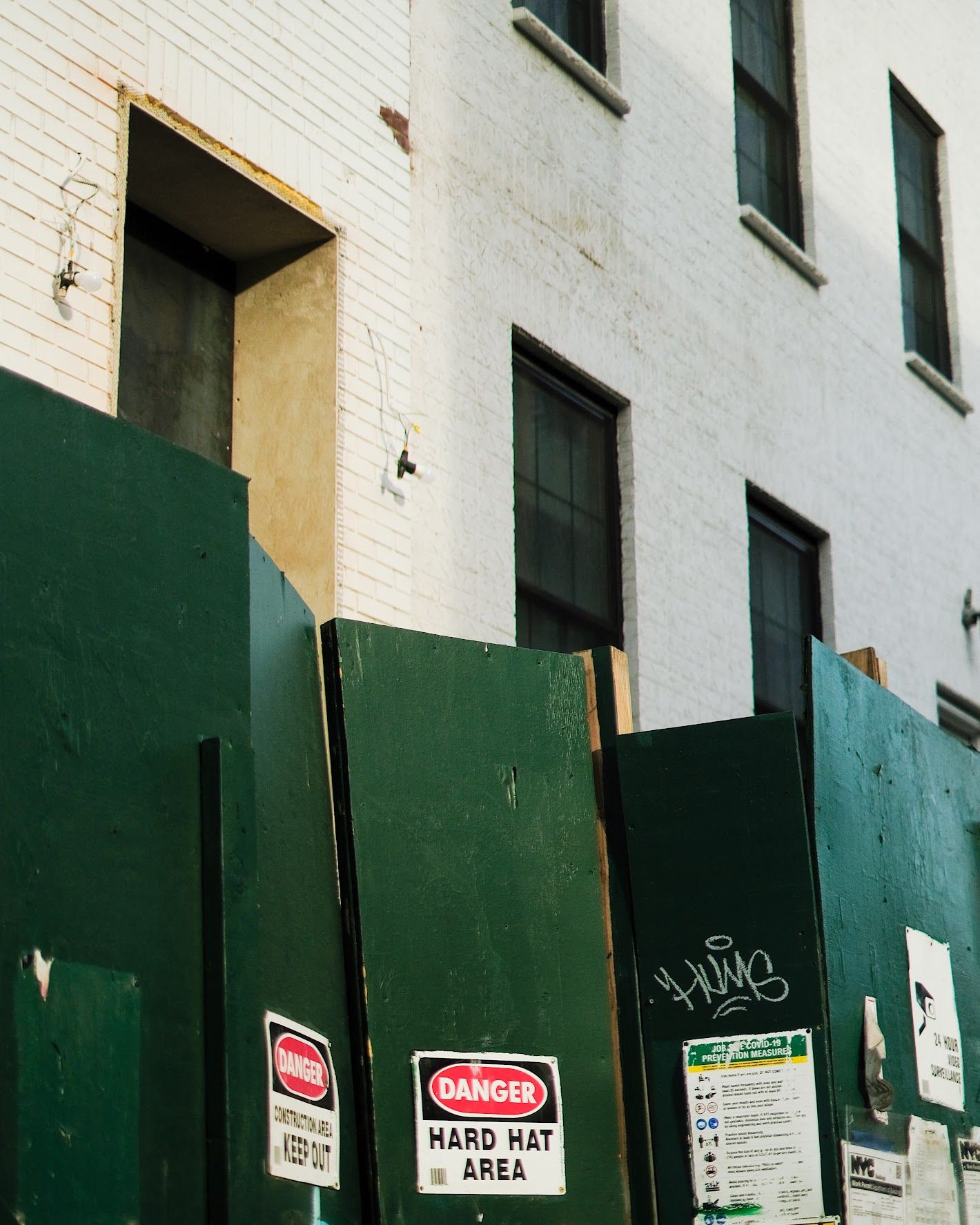
The boundaries between security and insecurity are much more porous than we are willing to admit, and many people float back and forth over time. It’s especially easy to end up on the street as a student. In a survey of ninety-one institutions in 2023–2024, Temple University found that 59% of students in higher education programs experienced at least one form of basic needs insecurity (41% experience food insecurity, 48% experience housing insecurity, and 14% of undergraduate students experience homelessness). It was an open secret at my last university that many students were living out of their cars. However, this was a school with 24/7 building access, a full-service gym with showers, a comprehensive meal plan, full-size lockers, and a parking lot where you could sleep day or night. No such amenities are available at The Cooper Union.
When it comes to aiding students in crisis, Cooper’s administration has been impotent. I have been provided academic accommodations worded in graciously vague terms (“[Student] is currently working through some personal matters that have impacted their overall ability to engage with their academics…”), and not much else. I have been forwarded homeshare options from Student Affairs (always with the disclaimer that the service has not been vetted by The Cooper Union), and I have been on Zoom calls with counselors to try to resolve my situation, to no avail. I’m far from the only student dealing with these issues, and I won’t be the last. One student told me he had been scammed by a fake realtor and was forced to live in a hostel for a month. Another was living in a ground-level apartment so infested with bugs that they couldn’t cook without cockroaches ending up in the food. One lived in an apartment without a kitchen or bathroom. And yet another told me they were living illegally in a windowless bedroom, which they paid for through Venmo. All freshmen and resident advisors are unceremoniously ejected from the dorms the day after finals, which places many students in a tough position. This punishes architecture students in particular, as move-out occurs on May 16th, and the end-of-year show opens ten days later. Despite the issue being raised ad nauseam, the administration claims it is essential that students vacate the dorms on the 16th so that the spaces may be cleaned. It seems obvious that the stress of apartment searching, packing, and moving adds an undue burden to students during the already fraught final weeks of the semester.
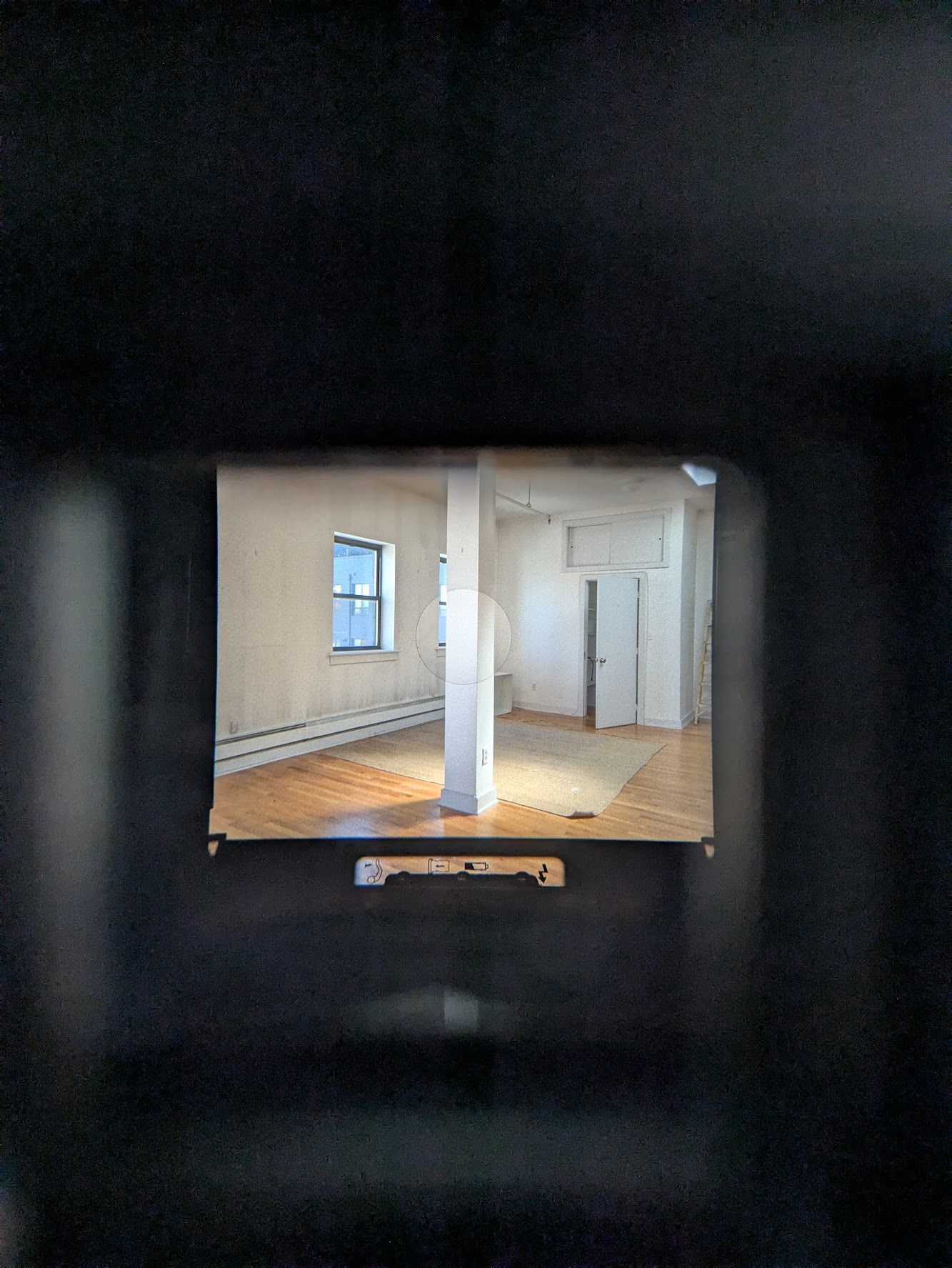
At school, the third-year housing students are pinning up their work in the lobby. The floor plans on the wall approach housing so clinically that for a moment, I consider why I’ve developed an intense desire around the fantasy of having a home. There’s more to it than safety and financial stability; it’s psychological stability as well. Home gives you the ability to relax in a place where you are not a burden, the solid ground to develop social relationships, and the evidence that you, as a person, are worthy of living in tolerable conditions. Everyone else believes the future holds bright things, and I pretend to, too.